
Is Vaping Legal in Australia 2026? The Complete State-by-State Guide
Is Vaping Legal in Australia 2026? The Short Answer
Is vaping legal in Australia 2026? The answer is yes — but with major restrictions that every Australian should understand. Nicotine vaping is legal through a tightly controlled pharmacy-only model, while zero-nicotine vaping occupies a complex regulatory grey zone that varies significantly by state. If you’re searching for clarity on Australia vaping laws 2026, this guide covers the federal framework, state-by-state breakdown, and what the rules mean whether you’re an individual or a wholesale buyer.
Since the landmark October 2024 reforms, vaping regulations Australia have been governed by a two-tier system: the Therapeutic Goods Administration (TGA) sets the federal baseline, while individual states and territories layer on additional restrictions. Understanding both levels is essential for compliance, as penalties for breaching Australian vape legislation can reach into the hundreds of thousands of dollars for commercial offences.
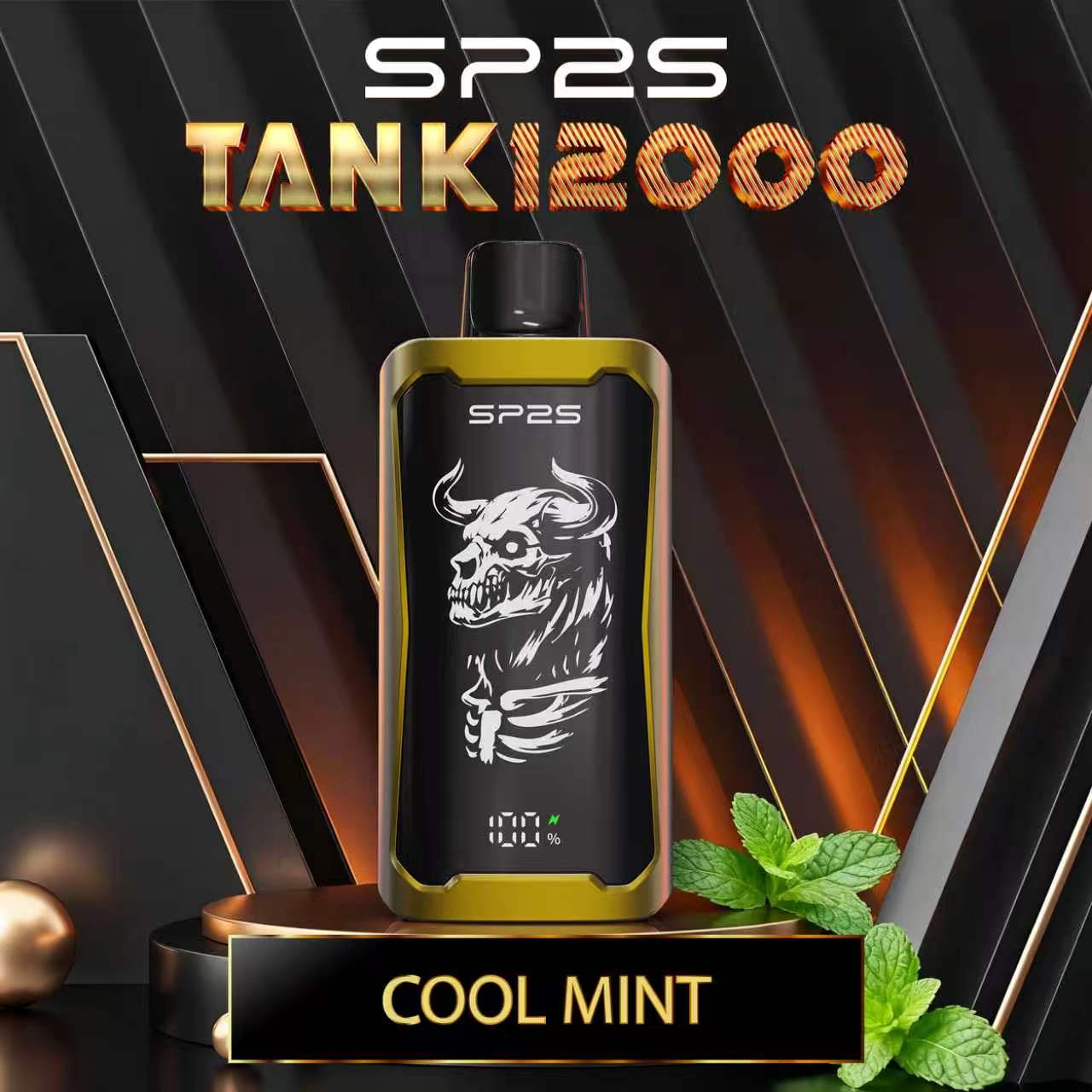
For retailers and wholesale buyers navigating this environment, stocking compliant products is the foundation of operating legally. Products like the SP2S Tank 12000 Cool Mint and other zero-nicotine options from our SP2S wholesale range are designed to align with Australia’s evolving regulatory framework. But the specific rules depend heavily on where you are — as we’ll detail below.
Federal Framework: The TGA Pharmacy Vape Model Australia
The pharmacy vape model Australia is the centrepiece of federal vaping regulation. Since 1 October 2024, the TGA classifies nicotine-containing e-cigarettes and vaping liquids as either Schedule 4 (Prescription Only Medicine) or Schedule 3 (Pharmacist Only Medicine), depending on the user’s circumstances and state of residence.
How the Pharmacy Model Works in Practice
Under the current Australia vaping laws 2026, here’s what the pharmacy model means day-to-day:
- Adults 18+ in most states: No doctor’s prescription needed. You walk into a participating pharmacy, have a consultation with the pharmacist, and if clinically appropriate, receive a TGA-compliant nicotine vaping product. This is the Schedule 3 pathway.
- Adults in WA and Tasmania: A doctor’s prescription is still mandatory — the pharmacy-only pathway does not apply. These two states have maintained stricter positions under their local health legislation.
- Anyone under 18: A valid doctor’s prescription is required in every state and territory. The clinical threshold for prescribing to minors is appropriately high.
The TGA has also imposed flavour restrictions under the pharmacy model: only mint, menthol, and tobacco flavours are permitted for pharmacy-dispensed nicotine products. Fruit and dessert flavours — including popular profiles like mango and berry — are not available through the legal nicotine pathway. This restriction has been one of the most debated aspects of vaping regulations Australia, with critics arguing it pushes adult consumers toward the unregulated black market.
For those seeking fruit flavours and variety, zero-nicotine products like the SP2S Tank 12000 Mango Magic or SP2S Tank 12000 Watermelon Ice offer compliant alternatives that sit outside the TGA’s therapeutic framework — though state-level rules still apply, as explained below.
The Disposable Vape Ban and Enforcement
Since 2024, federal vaping regulations Australia have banned the importation and retail sale of single-use disposable nicotine vapes. Penalties for commercial importation can exceed $1.1 million under the Therapeutic Goods Act 1989. The Australian Border Force and TGA have significantly escalated enforcement, with over $50 million worth of illegal vaping products seized at Australian ports during 2025 alone, according to TGA enforcement data.
Importantly, these bans specifically target nicotine-containing disposable products. Zero-nicotine disposables — including the full SP2S Tank 12000 10 Pack Bundle range — are not captured by the federal therapeutic goods framework, though several states have introduced their own restrictions.
Australian Vape Legislation by State: Complete 2026 Breakdown
Understanding Australian vape legislation by state is critical because the differences are material. What’s legally on the shelf in Sydney may not be in Perth. Here’s the full picture:
| State / Territory | Adult Pharmacy Access (No Script) | Enforcement Level | Zero-Nicotine Treatment | Key Legislation |
|---|---|---|---|---|
| NSW | Yes | High — NSW Health active enforcement | Consumer product law (under review) | Public Health (Tobacco) Act 2008 |
| VIC | Yes | Moderate — VPA compliance checks | Pharmacy licensing applies | Drugs, Poisons and Controlled Substances Act 1981 |
| QLD | Yes | Very High — dedicated compliance unit | Same as nicotine — pharmacy only | Medicines and Poisons Act 2019 |
| WA | No — GP prescription required | High | Same as nicotine — pharmacy only | Medicines and Poisons Act 2014 |
| SA | Yes | Moderate | TGA framework only | Controlled Substances Act 1984 |
| TAS | No — GP prescription required | High | Position under review | Poisons Act 1971 |
| ACT | Yes | Moderate | TGA framework only | Medicines, Poisons and Therapeutic Goods Act 2008 |
| NT | Yes | Low | Minimal additional restrictions | Medicines, Poisons and Therapeutic Goods Act 2012 |
For wholesale buyers and retailers, the critical rows are QLD and WA — both states treat zero-nicotine vaping products identically to nicotine products, effectively requiring pharmacy-only access. If you operate a retail store in Brisbane or Perth that is not a registered pharmacy, stocking even zero-nicotine disposables like the SP2S Tank 12000 Double Apple may expose your business to significant legal risk. The penalties are severe: Queensland’s dedicated compliance unit can impose fines up to $322,000 for illegal commercial supply.
In NSW, VIC, SA, ACT, and NT, the regulatory environment for zero-nicotine products is comparatively more permissive — though NSW and VIC have both signalled reviews of their positions, and the landscape can shift. Always verify the current rules with your state health authority before making commercial decisions. The Australian Department of Health maintains an up-to-date overview of state-level vaping legislation.
Penalties for Non-Compliance with Vaping Regulations Australia
The enforcement landscape under Australia vaping laws 2026 has teeth. Penalties vary by the nature and scale of the breach:
- Commercial importation of illegal nicotine products: Up to $1.1 million and/or 5 years imprisonment (federal — Therapeutic Goods Act 1989)
- Unauthorised retail sale in QLD: Up to $322,000 or 2 years imprisonment
- Unauthorised retail sale in NSW: Up to $55,000 per offence
- Individual possession of unlawfully obtained products: Varies by state; confiscation and fines are typical, but repeat or commercial-level possession can attract criminal charges in QLD and WA
The enforcement trend is clear: since the 2024 reforms, Australian authorities have moved from warning letters to active enforcement. Retailers and wholesale buyers should treat vaping regulations Australia as a hard compliance requirement, not a grey area to navigate around.
What the Pharmacy Vape Model Australia Means for Wholesale Buyers
For wholesale buyers and retailers, the pharmacy vape model Australia creates a clear market segmentation:
- Nicotine products: Restricted to licensed pharmaceutical wholesalers supplying registered pharmacies. If you are not a pharmacy, you cannot legally wholesale or stock nicotine vaping products — period.
- Zero-nicotine products: The primary category accessible to non-pharmacy retailers, subject to state-level restrictions. This is where most independent tobacconists, convenience stores, and online retailers operate.
- Hardware and accessories: Batteries, chargers, coils, and other non-consumable components are generally unrestricted and regulated as consumer electronics.
For retailers operating in states where zero-nicotine products are permitted, key product categories include the growing range of compliant disposables. The SP2S Tank 12000 5 Pack Bundle and SP2S Tank 12000 3 Pack Bundle provide flexible wholesale options with clear nicotine-free labelling. Popular flavours like SP2S Tank 12000 Grape Ice and SP2S Tank 12000 Blueberry Mint are consistently strong sellers in the compliant zero-nicotine category.
Will Australia Vaping Laws Change in 2026?
The Australia vaping laws 2026 landscape is subject to ongoing political debate. Key developments to monitor:
- The federal opposition has signalled interest in a regulated retail model similar to the UK’s approach, which would replace the pharmacy model with age-verification at the point of sale. This would require a change of government to implement.
- WA and Tasmania are under pressure to align with the national pharmacy-consultation model rather than requiring GP prescriptions for all adults.
- A scheduled review of the 2024 reforms is expected in late 2026, which the NHMRC is expected to contribute to.
- The zero-nicotine regulatory gap is likely to be addressed at the federal level, though the direction (toward restriction or formal recognition) remains uncertain.
The overall regulatory direction of travel is toward greater clarity rather than more restriction — but the pace is uncertain. For now, compliance with the current vaping regulations Australia framework is the safest and only legal path. Products like the full SP2S Tank 12000 range are designed with this regulatory environment in mind, providing compliant options that don’t compromise on quality or variety.
Frequently Asked Questions
Is vaping legal in Australia 2026 for adults without a prescription?
Yes — in NSW, VIC, QLD, SA, ACT, and NT, adults 18+ can access nicotine vaping products through a pharmacy consultation without a doctor’s prescription. In WA and TAS, a GP prescription is still required. Zero-nicotine products face a different (state-dependent) regulatory framework.
Are disposable vapes completely banned under Australia vaping laws 2026?
Nicotine-containing disposable vapes are banned from import and retail sale at the federal level. Zero-nicotine disposables are not covered by the TGA ban, but several states — notably QLD and WA — restrict them regardless of nicotine content. The federal government has signalled intent to address this regulatory gap.
What are the penalties for breaking vaping regulations Australia?
Commercial penalties range from $55,000 per offence (NSW) to $1.1 million and 5 years imprisonment (federal — illegal importation). Individual penalties typically involve confiscation and fines, though repeat commercial-level offences can result in criminal charges.
How does the pharmacy vape model Australia differ from the UK system?
The UK regulates vaping products as consumer goods with safety standards and actively encourages smokers to switch. Australia’s pharmacy model treats nicotine vaping as a therapeutic pathway requiring health professional oversight. Both countries review the same evidence base; the difference is regulatory philosophy — harm reduction (UK) vs. precautionary principle (Australia).
Can I buy zero-nicotine vapes wholesale legally in Australia?
In NSW, VIC, SA, ACT, and NT — yes, subject to standard business registrations and consumer product safety regulations. In QLD and WA, zero-nicotine vapes are treated identically to nicotine products and restricted to pharmacy channels. Always verify your state’s current position before ordering wholesale stock.