
Vaping vs Smoking in Australia: Health Facts, Costs & Research 2026
Vaping vs Smoking Australia: What the Numbers Tell Us
The vaping vs smoking Australia debate is one of the most contested public health discussions in the country. Australia has one of the world’s most successful tobacco control records — daily smoking has fallen from 24.3% in 1991 to approximately 8.3% in 2025 — yet roughly 1.7 million Australian adults now use e-cigarettes. The overwhelming majority are current or former smokers. Understanding the relative risks is essential for anyone weighing up whether switching could reduce their harm.
This article examines the vaping vs smoking health facts through the lens of current scientific evidence, compares the financial reality of each habit in Australia’s high-tobacco-tax environment, and addresses the question at the heart of the debate: is vaping safer than smoking Australia?
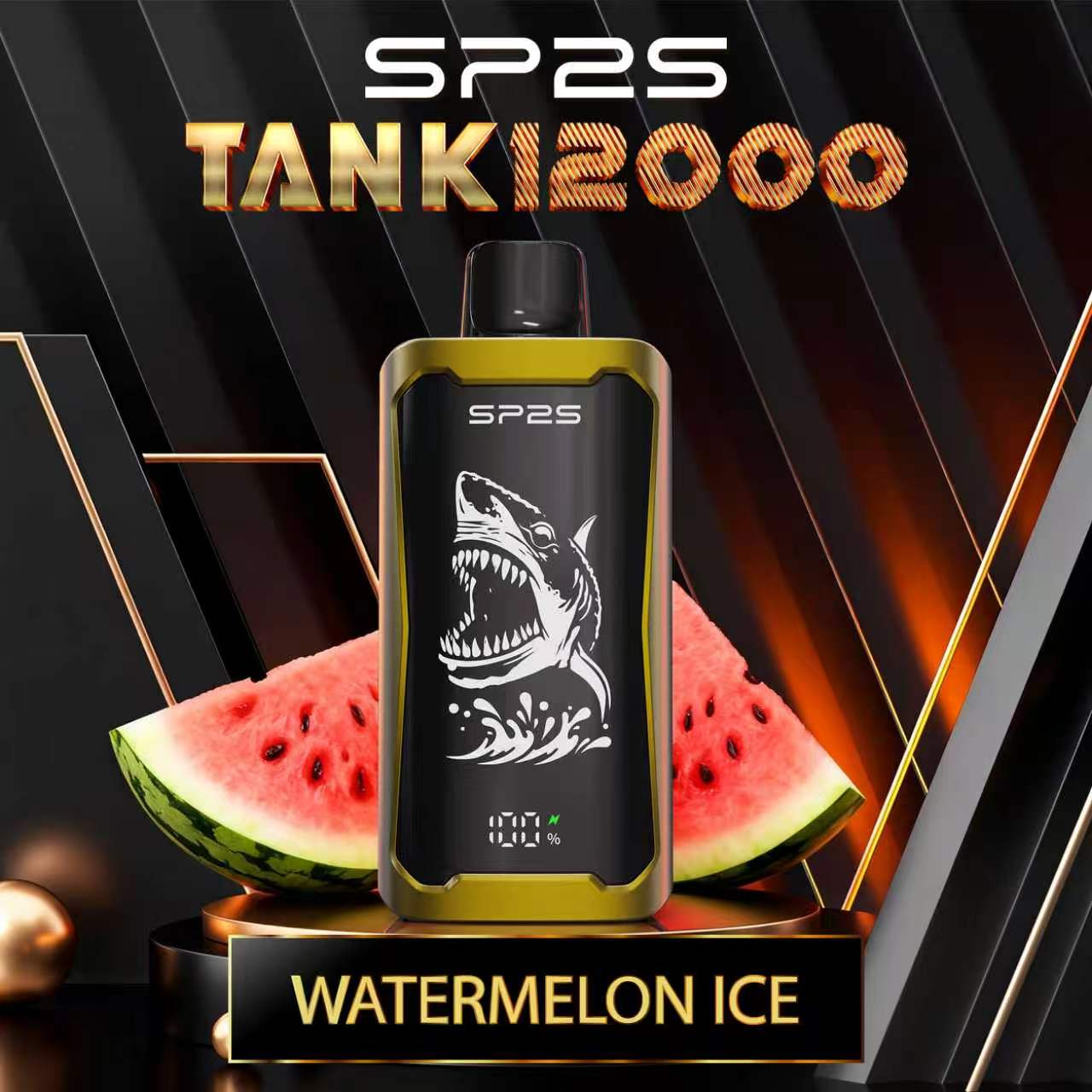
For smokers considering the switch, products like the SP2S Tank 12000 Cool Mint and SP2S Tank 12000 Mango Magic represent the type of zero-nicotine vaping options available through compliant retail channels. The evidence below applies to regulated, tested products — not unregulated black-market alternatives.
Vaping vs Smoking Health Facts: What the Evidence Shows
The scientific consensus — endorsed by the NHMRC, the UK Royal College of Physicians, and the US National Academies of Sciences — is that while vaping is not risk-free, it is substantially less harmful than smoking combustible tobacco.
The core scientific distinction: most smoking-related harm comes from combustion. Burning tobacco generates over 7,000 chemicals, of which at least 70 are known carcinogens. Vaping heats e-liquid to create an aerosol — no combustion occurs, which eliminates the by-products responsible for the vast majority of smoking-related cancers, cardiovascular disease, and respiratory illness. This is the central finding driving the vaping vs smoking Australia harm reduction argument.
Health Risk Comparison Table
| Health Factor | Smoking (Combustible Tobacco) | Vaping (Regulated E-Cigarettes) |
|---|---|---|
| Cancer risk | High — 70+ carcinogens; smoking causes 16 cancer types | Substantially lower — no combustion; far fewer and lower-level carcinogens |
| Cardiovascular disease | 2–4× increased risk of heart disease and stroke | Likely lower risk; long-term data emerging. Some studies suggest elevated blood pressure vs. non-use |
| Respiratory disease | Leading cause of COPD, emphysema, chronic bronchitis | Some airway irritation reported; popcorn lung risk extremely low (diacetyl levels far below cigarette smoke) |
| Second-hand exposure | Well-documented carcinogenic effect on bystanders | Second-hand aerosol levels far below tobacco smoke; risk to bystanders considered minimal by Public Health England |
| Nicotine | Highly addictive; enhanced by MAOIs in tobacco | Addictive but not carcinogenic. Nicotine alone — without combustion products — is relatively low-risk |
| Long-term data | Extensive — 60+ years of longitudinal studies | Limited — vaping at scale for ~15 years; 30+ year outcomes not yet available |
Is Vaping Safer Than Smoking Australia? The “95% Safer” Figure
The widely cited claim that vaping is safer than smoking by approximately 95% originated from a 2014 Public Health England expert panel analysis. It’s not a precise measurement — it’s a directional expert judgment that continues to be debated. The figure is best understood as communicating: the weight of current evidence indicates vaping is substantially less harmful than smoking, but not harmless.
The Cochrane Review (2023 update) — generally considered the gold standard in evidence-based medicine — found that nicotine e-cigarettes are more effective for smoking cessation than traditional nicotine replacement therapy (patches, gum). This finding supports the harm reduction case: if vaping helps smokers quit combustible tobacco entirely, the net public health effect is positive.
For those who have successfully quit smoking and are looking for a zero-nicotine vaping option, products like the SP2S Tank 12000 Blueberry Mint and SP2S Tank 12000 PassionFruit Watermelon provide the behavioural satisfaction of vaping without nicotine dependence.
Vaping vs Smoking Cost Australia: The Financial Case
Beyond the vaping vs smoking health facts, there’s a compelling financial argument — particularly in Australia, which has the highest cigarette prices in the world due to aggressive tobacco excise policy. The vaping vs smoking cost Australia comparison is stark:
| Cost Factor | Smoking (Pack-a-Day) | Vaping (Moderate Use) |
|---|---|---|
| Daily cost | $50–$60 (pack of 25–30) | $4–$12 (device + consumables, amortised) |
| Weekly cost | $350–$420 | $30–$85 |
| Annual cost | $18,000–$22,000 | $1,500–$4,500 |
| 10-year cost | $180,000–$220,000 | $15,000–$45,000 |
| Tax component | ~70% (excise + GST) | GST only (10%) on zero-nicotine products |
A pack-a-day smoker who switches completely to vaping could save $15,000–$20,000 per year. Over a decade, that’s $150,000–$200,000 — equivalent to a house deposit in many Australian markets outside Sydney.
For budget-conscious consumers who have already made the switch, wholesale bundle options like the SP2S Tank 12000 10 Pack Bundle (~$27.90/unit wholesale) and SP2S 5 Pack Bundle (~$29.80/unit) further reduce the ongoing cost. Compare ~$30/week for vaping versus $350–$420/week for smoking, and the financial case for switching becomes difficult to ignore — even before accounting for the health benefits.
Quit Smoking with Vaping Australia: Does It Work?
The evidence on whether you can effectively quit smoking with vaping Australia is increasingly clear. The 2023 Cochrane Review — analysing 78 studies with over 22,000 participants — concluded that nicotine e-cigarettes are more effective than nicotine replacement therapy (NRT) for smoking cessation. The absolute quit rates remain modest: roughly 10–14% of quit attempts using vaping succeed at 6-month follow-up, compared to 6–8% using NRT.
The key insight from the evidence: complete switching matters. Dual use (continuing to smoke while also vaping) reduces or eliminates the harm reduction benefit. The goal should be complete replacement of combustible tobacco, not supplementation. The Royal Australian College of General Practitioners (RACGP) provides guidance for GPs on discussing vaping as a smoking cessation option.
For those using vaping as a step-down approach — transitioning from smoking to nicotine vaping to zero-nicotine vaping — products like the SP2S Tank 12000 Double Apple and SP2S Tank 12000 Grape Ice provide the familiar hand-to-mouth ritual and flavour satisfaction without nicotine, representing the final stage of the cessation journey.
Youth Vaping and the Australian Policy Tension
No discussion of vaping vs smoking Australia is complete without addressing youth vaping — the policy concern that has most shaped Australia’s restrictive approach. Data from the Australian Secondary Students’ Alcohol and Drug Survey (ASSADS) shows:
- E-cigarette use among Australians aged 14–17 increased significantly between 2020 and 2024
- Rates appear to have stabilised or declined slightly since the 2024 regulatory changes
- Approximately 14% of 14–17 year olds reported having tried an e-cigarette in 2024, down from a peak of ~17% in 2022–23
- The majority of youth who vape also smoke or have smoked — the “gateway effect” (non-smoking youth initiating nicotine use through vaping) appears smaller than initially feared but is not zero
This tension — between vaping as a smoking cessation tool for adults and vaping as a potential pathway to nicotine for youth — is the central challenge of vaping policy globally. Australia has prioritised the precautionary principle (protecting youth), while the UK has prioritised harm reduction (helping smokers quit). Both positions are defensible; neither is cost-free. The Cancer Council Australia provides detailed position papers on the youth vaping evidence.
What This Means for Smokers Considering the Switch
If you’re an Australian smoker weighing up the vaping vs smoking Australia evidence, here’s a practical framework:
- Neither is best. Complete abstinence from both smoking and vaping is the lowest-risk state. If you can quit nicotine entirely, that’s the gold standard.
- If quitting completely isn’t achievable right now, switching completely from smoking to vaping is likely to substantially reduce your health risks based on the current weight of evidence. But dual use eliminates most of the benefit.
- Use vaping as a bridge to quitting, not a permanent lifestyle choice. The goal should be to step down nicotine strength over time until you’re nicotine-free. Zero-nicotine products like the SP2S Tank 12000 range can support this transition.
- Access products through legal channels. Pharmacy for nicotine products; compliant Australian retailers for zero-nicotine products. Black-market products carry unknown risks that undermine the harm reduction case.
- If you don’t smoke, don’t start vaping. The risk-benefit analysis is completely different for never-smokers. Introducing unnecessary health risk has no compensating benefit.
Frequently Asked Questions About Vaping vs Smoking Australia
Is vaping safer than smoking Australia based on current research?
Yes — based on the current weight of evidence from sources including the Cochrane Review, Public Health England, and the NHMRC, vaping eliminates the combustion process that produces the vast majority of smoking-related carcinogens. However, vaping is not risk-free, and long-term data (30+ years) is not yet available.
How much can I save by switching from smoking to vaping in Australia?
A pack-a-day smoker spending $50–$60/day can expect to save $15,000–$20,000 per year by switching completely to vaping. Vaping costs typically range from $1,500–$4,500 annually depending on device type and usage. Bundle deals like the SP2S 10 Pack offer the best ongoing value.
Does vaping actually help with quitting smoking?
Evidence from the 2023 Cochrane Review (78 studies, 22,000+ participants) indicates nicotine e-cigarettes are more effective than traditional NRT for smoking cessation, with approximately 10–14% of quit attempts succeeding at 6 months. Complete switching (no dual use) is essential for the harm reduction benefit.
What are the risks of second-hand vapour compared to second-hand smoke?
Second-hand e-cigarette aerosol contains some potentially harmful chemicals, but at levels far below tobacco smoke. Public Health England’s evidence review concluded the health risk to bystanders is minimal. Australian health authorities take a more cautious view and prohibit vaping in most smoke-free public places.
Can vaping cause popcorn lung?
The risk from regulated vaping products is extremely low. Diacetyl — the compound linked to popcorn lung in industrial exposure settings — is present in some e-liquids at levels hundreds of times lower than in cigarette smoke. Cigarette smoking has not been associated with popcorn lung. Most reputable manufacturers have removed diacetyl entirely.